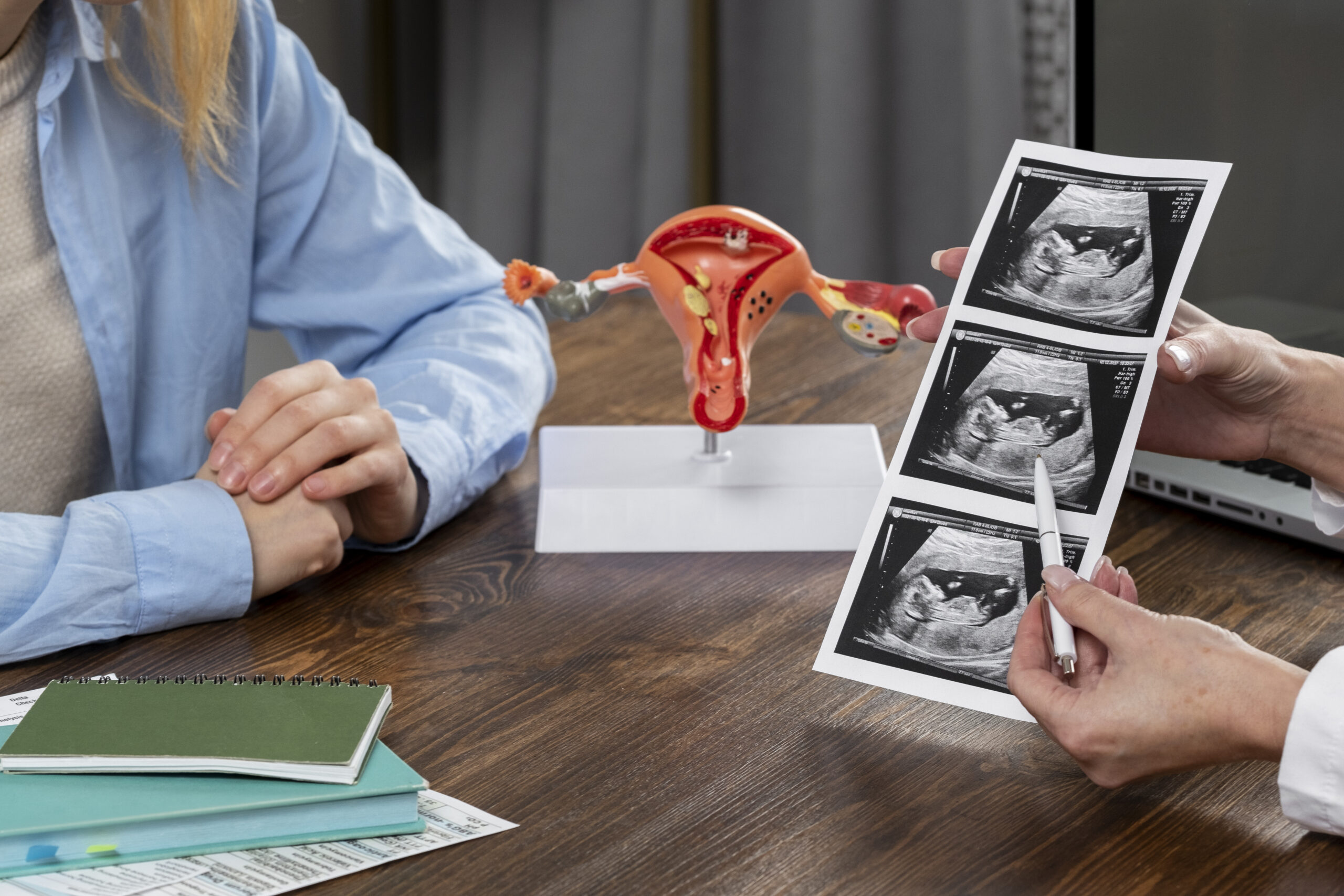
Pelvic adhesions are bands of scar tissue that form inside the lower belly. These bands can cause organs to stick together. Laparoscopy for pelvic adhesions is a minimally invasive surgery that helps doctors see and treat these bands. Because this procedure uses small cuts, it often leads to quicker recovery and less pain. Many people choose laparoscopy for pelvic adhesions to relieve pelvic pain and improve their quality of life. Understanding what to expect can help you feel more prepared and confident.
What Are Pelvic Adhesions?
Pelvic adhesions are thin bands of scar tissue. They form between organs in the pelvis, such as the uterus, ovaries, or bladder. Often, these bands develop after surgery, infection, or inflammation. For example, a past appendicitis or gynecological surgery can lead to adhesions. Sometimes, pelvic adhesions cause no symptoms. However, they can also lead to:
Because symptoms can vary, it is important to talk to your doctor if you notice any changes.
What Is Laparoscopy?
Laparoscopy is a type of minimally invasive surgery. During this procedure, a doctor makes a few small cuts in the belly. Then, a thin tube with a camera, called a laparoscope, is inserted. This tool lets the doctor see inside the pelvis without making a large cut. In many cases, the doctor can also treat pelvic adhesions during the same surgery. Laparoscopy is often used in gynecological surgery because it causes less pain and helps people recover faster.
Why Is Laparoscopy Used for Pelvic Adhesions?
Laparoscopy for pelvic adhesions offers many benefits. First, it allows doctors to see and remove scar tissue with great accuracy. Because the cuts are small, there is less pain and a lower risk of infection. In addition, most people recover faster compared to open surgery. Doctors may recommend laparoscopy if:
However, not everyone needs surgery. Your doctor will help you decide if this is the right choice.
Preparing for Laparoscopy
Before your laparoscopy, your doctor will give you clear instructions. Usually, you will need to:
Because preparation helps reduce risks, always follow your doctor’s advice closely.
What Happens During the Procedure?
On the day of surgery, you will go to the hospital or surgical center. First, you will receive anesthesia, so you will not feel pain. Next, the doctor makes small cuts in your lower belly. Then, the laparoscope and other tiny tools are inserted. The doctor looks for pelvic adhesions and carefully removes them. In most cases, the surgery takes one to two hours. After the procedure, you will rest in a recovery area until you are awake and stable.
Recovery and Aftercare
After laparoscopy for pelvic adhesions, most people go home the same day. However, some may need to stay overnight. Recovery after laparoscopy is usually quick. You may feel tired or have mild pain for a few days. To help your recovery:
Most people return to normal activities within one to two weeks. However, always follow your doctor’s advice for the best results.
Risks and Possible Complications
Laparoscopy is generally safe, but all surgeries have some risks. Common risks include:
Although serious problems are rare, it is important to know the signs. If you have severe pain, heavy bleeding, fever, or trouble breathing, seek medical help right away. Doctors use careful techniques to lower these risks. According to the World Health Organization and CDC, minimally invasive surgery like laparoscopy has fewer complications than open surgery.
Frequently Asked Questions
Is laparoscopy painful?
Most people feel mild pain or discomfort after laparoscopy. However, pain is usually less than with open surgery. Pain medicine can help you feel better.
How long does it take to recover?
Recovery after laparoscopy for pelvic adhesions is often quick. Many people return to normal activities within one to two weeks.
Will the adhesions come back?
Sometimes, pelvic adhesions can return after surgery. However, using gentle surgical methods helps lower this risk.
Can laparoscopy help with fertility?
Yes, removing pelvic adhesions can improve fertility in some cases. If adhesions block the fallopian tubes or ovaries, surgery may help.
Is laparoscopy safe for everyone?
Laparoscopy is safe for most people. However, your doctor will check your health and discuss if it is right for you.
Conclusion
Laparoscopy for pelvic adhesions is a safe and effective way to treat scar tissue in the pelvis. Because it is minimally invasive, recovery is often faster and less painful. If you have pelvic pain or other symptoms, talk to your doctor. Consult Dr. Rupa Pandra for personalized guidance about laparoscopy for pelvic adhesions.