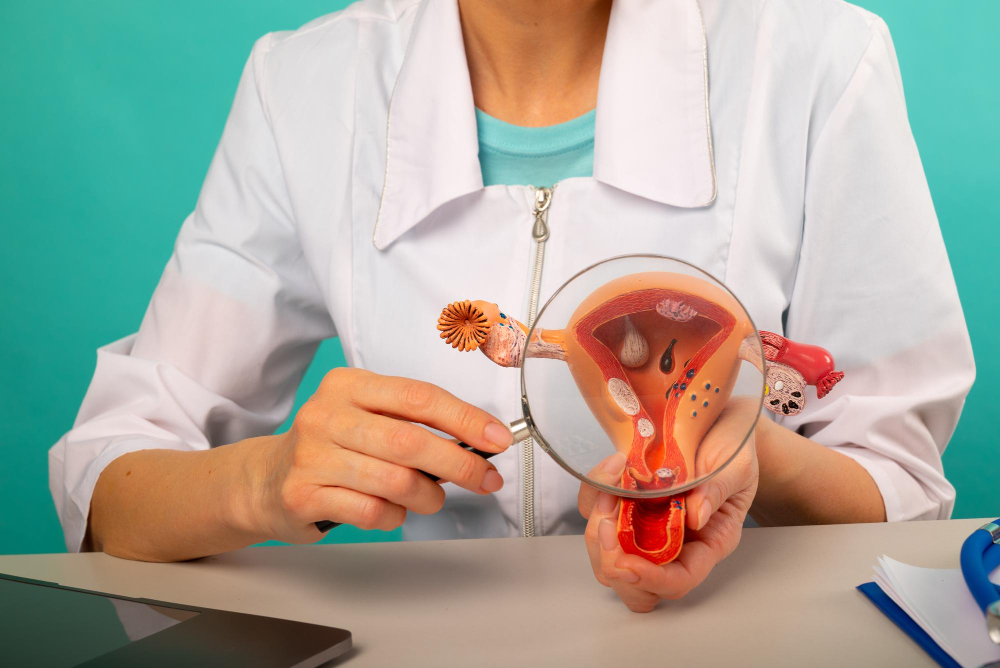
Cervical cancer screening is a simple way to check for changes in the cells of the cervix. Regular Pap smears help find problems early, often before cancer develops. Because early detection of cervical cancer can save lives, it is important to know why these tests matter. In this blog, you will learn about cervical cancer screening, Pap smear benefits, and how often you should get a Pap smear.
What Is Cervical Cancer Screening?
Cervical cancer screening checks for signs of cancer or changes that may lead to cancer in the cervix. The cervix is the lower part of the uterus, which connects to the vagina. Most often, screening uses a Pap smear or an HPV test. While both tests help, the Pap smear is the most common method.
Why Are Regular Pap Smears Important?
Regular Pap smears are important because they can catch changes early. When problems are found early, treatment is easier and more effective. In fact, many women who develop cervical cancer have not had regular screening. Therefore, staying up to date with Pap smears lowers your risk.
Who Should Get Screened and When?
Screening guidelines may vary by country, but most experts agree on some basics. In the United States, the CDC recommends:
However, some women may need more frequent tests. For example, those with a history of abnormal results or a weakened immune system should ask their doctor how often they need screening.
How Is a Pap Smear Performed?
A Pap smear is a quick and simple test. First, you lie on an exam table. Next, a healthcare provider gently inserts a small tool called a speculum into the vagina. This helps them see the cervix. Then, they use a soft brush or spatula to collect a few cells from the cervix. The sample goes to a lab for testing. Most women feel only mild discomfort, and the test takes just a few minutes.
Benefits of Early Detection
Early detection of cervical cancer gives you the best chance for a cure. Because Pap smears can find changes before cancer starts, you can get treatment sooner. This means:
Common Myths and Facts
Many myths about Pap smears and cervical cancer screening can cause confusion. Let’s clear up some common misunderstandings:
Tips for a Comfortable Screening Experience
Although Pap smears are quick, some women feel nervous. To help make your visit easier, try these tips:
Prevention and Lifestyle Guidance
Besides regular screening, you can lower your risk of cervical cancer with healthy habits. For example:
Consult Dr Rupa Pandra for personalized advice on cervical cancer screening.