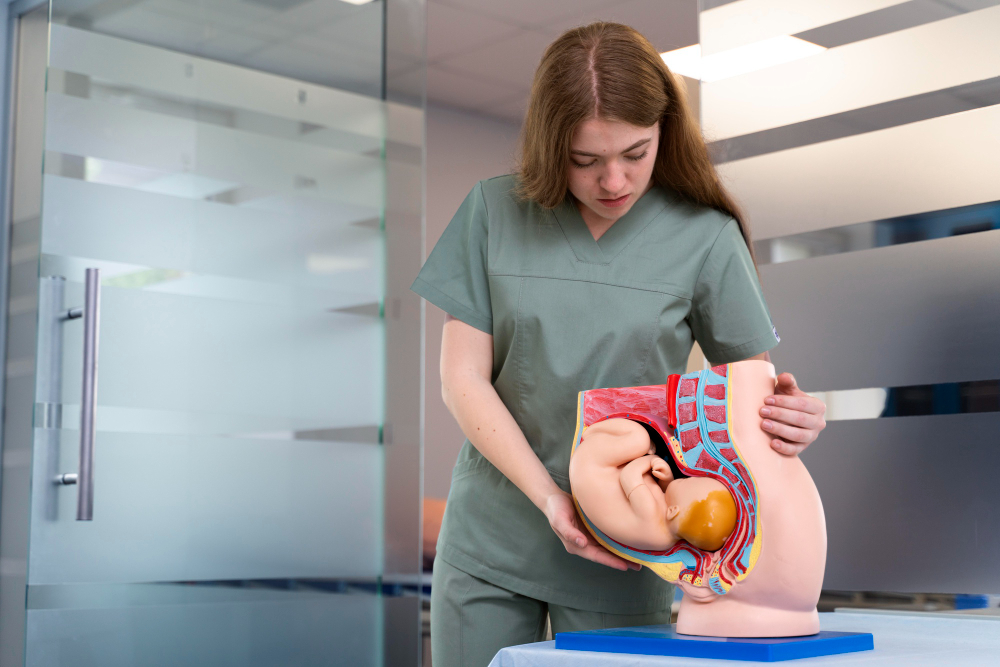
What is Placenta Previa?
Placenta previa is a condition in pregnancy where the placenta sits low in the uterus. Sometimes, it covers part or all of the cervix. Because the placenta gives oxygen and nutrients to the baby, its position is important. In most pregnancies, the placenta moves up as the uterus grows. However, with placenta previa, it stays low. This is called a low-lying placenta. Placenta previa in pregnancy can cause problems, so early detection is key. According to the World Health Organization, placenta previa affects about 1 in 200 pregnancies.
Symptoms of Placenta Previa
Many women with placenta previa do not have symptoms at first. However, some may notice warning signs. Early recognition helps keep both mother and baby safe. Common low-lying placenta symptoms include:
Sometimes, there are no symptoms until later in pregnancy. But if you notice any bleeding, contact your doctor right away.
Causes and Risk Factors
Doctors do not always know why placenta previa happens. Still, some factors can raise your risk. For example, you may be more likely to have placenta previa if you:
Even so, placenta previa can happen without any risk factors. Therefore, regular checkups are important for all pregnant women.
Diagnosis of Placenta Previa
Doctors usually find placenta previa during a routine ultrasound. This test uses sound waves to show the position of the placenta. Sometimes, a follow-up ultrasound is needed to check if the placenta moves up as the pregnancy grows. In rare cases, a doctor may use other tests to confirm the diagnosis. However, a pelvic exam is not done if placenta previa is suspected, as it can cause bleeding. Early diagnosis helps guide safe care and treatment.
Treatment Options
Treatment for placenta previa depends on how far along you are and how much you are bleeding. In many cases, the placenta moves up on its own as the uterus grows. But if it does not, your doctor will suggest a plan. Common placenta previa treatment options include:
Because every pregnancy is different, your doctor will choose the safest option for you and your baby.
Lifestyle and Pregnancy Guidance
Living with placenta previa can feel stressful. However, there are steps you can take to stay safe. For example, you should:
With good care, most women with placenta previa have healthy babies. But staying informed and alert is important.
Prevention and When to Seek Help
There is no sure way to prevent placenta previa. However, you can lower your risk by not smoking and getting regular prenatal care. If you have had a C-section or other uterine surgery, tell your doctor early in pregnancy. Most importantly, seek help if you notice:
Quick action can prevent serious problems for you and your baby. For more information, you can visit trusted sources like the Centers for Disease Control and Prevention or the World Health Organization.
Placenta previa can be managed with the right care. Consult Dr Rupa pandra for personalized advice about placenta previa.